Source Water Based VCI Rustproof Oil for Metal, Machinery, and Storage
Find 12 verified suppliers offering water based vci rustproof oil for industrial lubrication, metal rust inhibition, and anti-wear applications. Compare specifications, packaging options, and pricing to identify the most cost-saving and eco-friendly solutions for your manufacturing needs.
Key considerations
Products List




Comprehensive Sourcing Guide
Strategic Sourcing Guide for Water-Based VCI Rustproof Oil
Understanding the Technical Profile of VCI Lubricants
When sourcing water-based VCI (Volatile Corrosion Inhibitor) rustproof oil, buyers must first distinguish between traditional solvent-based formulations and the specific aqueous solutions available in the current market. The core product category is defined by its dual function: providing immediate lubrication while simultaneously releasing corrosion-inhibiting vapors that protect metal surfaces. Based on observed product attributes, these fluids are frequently categorized as "Industrial Lubricants" or "Metal Rust Inhibitors" with a specific application in "Coating Auxiliary Agents" and "Oil Drilling Auxiliary Agents."
The physical state of these products is consistently observed as a "Liquid" appearance. A critical technical differentiator is the base composition. The general composition typically consists of a "Base Oil" blended with specific "Additives." In the context of water-based systems, these additives often include "Viscosity Index Improvers," "Anti-Wear Additives," and "Antioxidants." The presence of these specific chemical components suggests a formulation designed to maintain fluid stability and protective properties under varying mechanical stresses.
One of the primary advantages cited for this category is that the product is "Water Based," which directly influences its environmental profile and safety handling requirements. This characteristic aligns with the observed advantage of being "Eco Friendly." Furthermore, the functional capability is explicitly stated as "Prevent rusting of metal components" and "Anti Rust," confirming the primary value proposition. Buyers should note that while some listings describe the product as a "Grease," the liquid form is the standard for water-based VCI applications, indicating that the terminology may vary by supplier but the physical state remains consistent for this specific keyword search.
Compliance, Certification, and Regulatory Standards
Navigating the regulatory landscape is essential for international procurement, particularly when sourcing from major manufacturing hubs like China. The observed product data indicates a strong emphasis on compliance with international environmental and safety standards. High-confidence facts reveal that products in this category frequently carry certifications such as "Reach" and "RoHS." These certifications are critical for buyers targeting the European Union and other markets with strict chemical regulations. Reach ensures the substance is registered, evaluated, and authorized, while RoHS restricts the use of specific hazardous materials in electrical and electronic equipment, which is relevant for components treated with these oils.
In addition to chemical safety, the "Dgm" certification is also observed in the product listings. While the specific full name of this standard is not expanded in the provided data, its presence alongside Reach and RoHS suggests a comprehensive approach to quality assurance and regulatory adherence. Buyers must verify that the specific batch they intend to purchase maintains these certifications, as they are often tied to the manufacturing facility's quality management system rather than just the product formula.
Regarding product standards, the data presents a mix of standardized packaging and customized specifications. Some products adhere to a "200L (170kg) Barrels" standard, while others offer "Customized by customers" standards. This variability requires the buyer to explicitly define their compliance needs during the RFQ (Request for Quotation) process. For instance, if a buyer requires a specific ISO standard for the chemical composition or packaging integrity, they must confirm that the supplier can meet this requirement, as the "Standard" attribute is not universally fixed across all 12 observed products.
Cost Drivers and Packaging Economics
The cost structure of water-based VCI rustproof oil is influenced by several variables, including the concentration of active ingredients, the complexity of the additive package, and the packaging format. The observed price range in the market spans from $1.5 to $750 USD. This wide variance is not necessarily indicative of quality differences alone but reflects the scale of purchase and the unit of measurement. The lower end of the spectrum likely represents small sample units or specific additive concentrates, while the higher end corresponds to bulk industrial drums or specialized formulations.
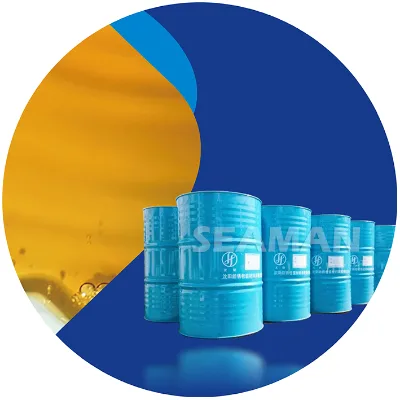
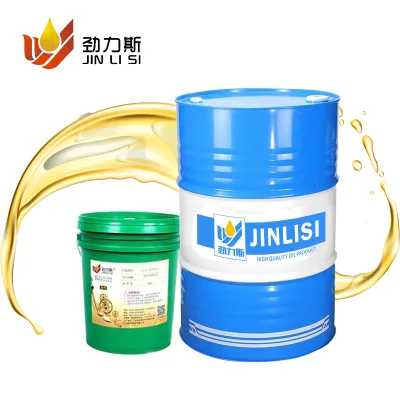
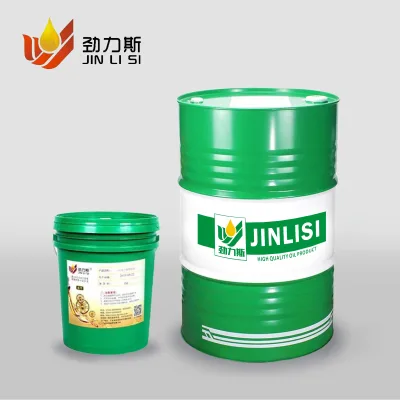
Packaging plays a significant role in the total landed cost. The data shows a variety of packaging options, including "Barrels," "Plastic Pail," and "Metal Drum." Specific volume configurations observed include "150kg Per Barrel," "18 Litres," and "18 Litres" as a standard unit. The "18 Litres" size appears to be a common intermediate packaging option, often associated with a single package size of "30X30X40 cm." This dimensional data is crucial for logistics planning, as it allows buyers to calculate container utilization and freight costs accurately.
The Minimum Order Quantity (MOQ) is another major cost driver. The observed MOQ range is broad, spanning from 1 to 1000 units. This flexibility allows buyers to test the market with small orders (MOQ 1) or secure better unit economics through bulk purchasing (MOQ up to 1000). The "Selling Units" are listed as "Single item," suggesting that the system is flexible enough to accommodate both trial orders and large-scale contracts. Buyers should leverage this range to negotiate better terms, as suppliers with lower MOQs may be more willing to accommodate customizations, whereas those with higher MOQs may offer more competitive pricing on standard formulations.
Typical Applications and Functional Performance
The versatility of water-based VCI rustproof oil makes it suitable for a diverse range of industrial applications. The primary function is identified as "Rust-Proof" and "Anti Rust," but the specific use cases extend beyond simple storage protection. The product is explicitly listed for "Metal Rust Inhibitor" applications, indicating its use in protecting raw materials and finished goods during storage and transit.
Beyond storage, the "Application" attribute highlights its role in "Lubrication" and as a "Coating Auxiliary Agent." This suggests that the oil can be used in machining processes where temporary protection is needed during the transition between manufacturing steps. The mention of "Oil Drilling Auxiliary Agent" further expands the scope, implying suitability for harsh environments where high-performance corrosion inhibition is required. The "Feature" of "Anti-wear + longer Serve Life" reinforces its utility in machinery that requires both protection against rust and reduction of friction wear.
The "Advantage" of being "Cost-Saving" is a significant factor for procurement teams. By replacing traditional solvent-based oils with water-based alternatives, companies can reduce disposal costs associated with hazardous waste and lower the risk of fire hazards. Additionally, the "Eco Friendly" nature of the product aligns with corporate sustainability goals, potentially reducing the carbon footprint of the supply chain. The "General Composition" of "Base Oil + Additives" ensures that the product delivers on its promise of "High-Quality" performance, meeting the rigorous demands of "Industrial Grade" applications.
Supplier Evaluation and Origin Verification
When evaluating potential suppliers for water-based VCI rustproof oil, the origin of the product is a critical data point. The observed "prod_origin" and "Place of Origin" fields consistently point to "Shenyang," "Guangdong, China," and generally "CN" or "China." These regions are known for their robust chemical manufacturing capabilities. However, the presence of multiple origin locations within the same product category suggests that buyers should not assume uniformity in quality or production methods across all Chinese suppliers.
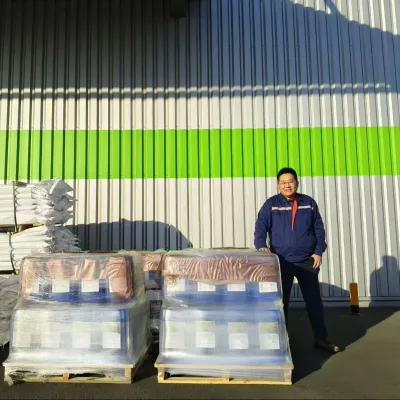
A key differentiator in supplier evaluation is the "Advantage 4: We Are a Factory" attribute. This indicates that some suppliers are direct manufacturers rather than trading companies. Sourcing directly from a factory can offer several benefits, including better control over the production process, more flexibility in customization, and potentially lower costs due to the elimination of intermediaries. Buyers should verify this claim by requesting facility audits or video tours of the production line.
The "Delivery Time" is another critical metric for supplier evaluation. The observed range of "7-20 Days" provides a baseline for logistics planning. However, buyers must understand that this lead time can fluctuate based on order volume, customization requirements, and seasonal demand. The "Advantage 1: We Ship Worldwide" attribute suggests that suppliers are equipped to handle international logistics, but buyers should still confirm the specific Incoterms and shipping partners to ensure reliable delivery to their location.
Quality Control and Long-Term Procurement Strategy
Implementing a robust quality control (QC) strategy is essential for maintaining the integrity of the supply chain. Given the "High-Quality" claim associated with these products, buyers should establish clear acceptance criteria before placing orders. This includes verifying the "Grade" of the product, which is listed as "Industrial Grade," and ensuring that the "Model Number" matches the specific requirements of the application. The observed model numbers, such as "Y246B," "Y216," "234B," "SF," and "JLS-810," indicate that different formulations exist for different needs. Buyers must match the correct model to their specific metal types and environmental conditions.
Long-term procurement considerations should focus on the stability of the supply and the consistency of the product. The "Customization" attribute is available, which is a significant advantage for buyers with unique requirements. However, customization introduces complexity into the QC process. Buyers should require batch testing reports for every shipment to ensure that the "Additives" and "Base Oil" ratios remain consistent. The "Standard" of "Customized by customers" implies that the product can be tailored, but this also means that the buyer bears the responsibility of defining the specifications clearly.
Finally, the "Feature" of "Anti-wear + longer Serve Life" suggests that the product offers long-term value. Buyers should track the performance of the oil over time to validate these claims. This includes monitoring the effectiveness of the rust protection in various storage conditions and the impact on the lifespan of the machinery or components being treated. By maintaining a detailed record of product performance and supplier reliability, buyers can build a resilient supply chain that minimizes downtime and maximizes the return on investment in water-based VCI rustproof oil.
Comparative Analysis of Product Specifications
To assist in decision-making, the following table summarizes the key variations observed in the product attributes. This comparison highlights the diversity in models, packaging, and origins, which buyers must consider when selecting a supplier.
| Attribute Category | Observed Variations | Implication for Buyer |
|---|---|---|
| Product Models | Y246B, Y216, 234B, SF, JLS-810, Water-Based Anti-Rust Oil | Different models likely target specific metal types or application environments; verify compatibility. |
| Packaging Formats | Barrels, Plastic Pail, Metal Drum, 18 Litres, 200L (170kg) | Packaging affects storage space and handling; 18L is common for smaller batches, 200L for bulk. |
| Origin Locations | Shenyang, Guangdong, China (CN) | Regional differences may exist in production standards; verify specific factory location. |
| Certifications | Reach, RoHS, Dgm | Essential for EU and global compliance; confirm current validity for the specific batch. |
| Lead Times | 7-20 Days | Plan inventory levels accordingly; longer lead times may apply for customized orders. |
| MOQ Range | 1 to 1000 | High flexibility allows for testing (MOQ 1) or bulk savings (MOQ 1000). |
| Key Functions | Anti Rust, Lubrication, Corrosion Inhibitor, Coating Auxiliary | Ensure the specific function matches the intended use case (e.g., storage vs. machining). |
This structured approach to evaluating the available data ensures that buyers can make informed decisions based on verified facts rather than assumptions. By focusing on the specific attributes, certifications, and logistical details provided, procurement teams can effectively navigate the market for water-based VCI rustproof oil and secure a supply chain that meets their operational and compliance requirements.
FAQs
What certifications do water based vci rustproof oil products carry?
Products frequently carry Reach and RoHS certifications to ensure compliance with international safety standards. Some listings also include Dgm certification alongside these environmental and chemical safety marks. Buyers should verify specific batch certifications as they are tied to the manufacturing facility's quality system.
How is the product typically packaged for industrial delivery?
Packaging options include 200L barrels, plastic pails, and metal drums depending on the specific model. Some items are packed as 150kg per barrel or 18 litres per unit. The standard packaging often adheres to 200L (170kg) barrel specifications or customized customer requirements.
Which origin locations supply this type of corrosion inhibitor oil?
Products originate from major manufacturing hubs in China, specifically Shenyang and Guangdong. Some listings simply state the country of origin as CN. Buyers should note that multiple locations exist within the same product category, indicating varied production methods.
Can buyers customize the specifications of the rust preventive oil?
Yes, customization is available for product standards and specifications to meet specific customer needs. Some products offer customized standards while others follow fixed models like Y246B or JLS-810. This flexibility allows buyers to tailor the additive package and base oil ratios.
What is the typical delivery time for these industrial lubricants?
The standard delivery time ranges from 7 to 20 days after order confirmation. This lead time can fluctuate based on order volume and customization requirements. Suppliers generally ship worldwide, but specific Incoterms should be confirmed for international logistics.
How does the price range vary for bulk orders of this oil?
The observed price range spans from 1.5 to 750 USD depending on the unit of measurement and order scale. Lower prices often reflect small sample units or concentrates, while higher prices correspond to bulk industrial drums. The minimum order quantity also significantly impacts the final unit cost.